

Introduction
Choosing the right cage for your parakeet (budgie) or small bird is one of the most important decisions you’ll make as a bird owner. Your feathered friend will spend most of their time in this space, so it needs to be safe, comfortable, and spacious enough for them to thrive.
With so many bird cages on the market, it’s easy to feel overwhelmed. Too small and your bird becomes stressed and unhealthy. Too flimsy and it won’t last. Wrong bar spacing and your bird could escape or get injured. After researching dozens of bird cages and analyzing thousands of customer reviews, I’ve created this comprehensive guide to help you find the perfect home for your parakeet or small bird.
Whether you’re bringing home your first budgie or upgrading your current setup, this guide covers everything you need to know.
Why Cage Size and Quality Matter
Before we dive into specific products, understand why cage selection is critical:
- Physical Health: Small cages prevent exercise, leading to obesity and muscle atrophy
- Mental Wellbeing: Cramped spaces cause stress, depression, and behavioral issues
- Safety: Poor quality cages have sharp edges, toxic coatings, or dangerous bar spacing
- Longevity: Quality cages last 10+ years; cheap ones need replacement within months
- Enrichment: Proper cages allow room for toys, perches, and flying space
- Your Convenience: Well-designed cages are easier to clean and maintain
Important Rule: The minimum cage size for one parakeet is 18″ x 18″ x 18″, but bigger is always better. Birds should be able to fully extend their wings without touching the sides.
What to Look for in a Parakeet Cage
Here are the key features I prioritized:
- Size: Minimum 18″ x 18″ x 18″ for one parakeet; larger for multiple birds
- Bar Spacing: 1/2 inch maximum for parakeets (prevents escape and injury)
- Bar Orientation: Horizontal bars allow climbing (birds’ natural behavior)
- Material: Powder-coated steel (avoid zinc, lead, or rust-prone materials)
- Door Access: Multiple doors for easy access and cleaning
- Bottom Tray: Pull-out tray for hassle-free cleaning
- Accessories Included: Perches, food/water dishes
- Mobility: Wheels or stands for easy moving
- Value: Good quality for reasonable price
Top 5 Best Bird Cages for Parakeets
1. Best Overall: Yaheetech 52-inch Wrought Iron Bird Cage

- VERSATILE BIRD CAGE – This rolling steel birdcage with an accompanying stand provides an ideal living space for several …
- EASY TO CLEAN – Removable floor grille, debris tray, and two large front access doors. Includes 4 feeders and nest box d…
- WIDE & COMFORTABLE – The large, roomy bird cage interior is ideal for small bird flocks and comes with three 5/8 inch di…
After extensive research, the Yaheetech 52-inch cage offers the best combination of space, quality, and value. This spacious cage gives your parakeet plenty of room to fly and play.
Why We Love It:
- Generous dimensions: 18″ L x 14″ W x 52″ H (perfect for 1-2 parakeets)
- Includes rolling stand with storage shelf and wheels
- Three feeding doors for easy access
- Horizontal and vertical bars for climbing
- 1/2 inch bar spacing (safe for parakeets)
- Pull-out bottom tray and grille for easy cleaning
- Two wooden perches and two stainless steel cups included
- Top play area with ladder
- Durable powder-coated finish
- Excellent price for the size and quality
Best For: Single or paired parakeets, budgie owners wanting quality on a budget, first-time bird owners
Potential Drawbacks: Assembly required (takes 30-45 minutes), heavier than smaller cages
Price Range: $80-$120
2. Best Premium Cage: Prevue Hendryx Wrought Iron Flight Cage
- VERSATILE BIRD CAGE – This rolling steel birdcage with an accompanying stand provides an ideal living space for several …
- EASY TO CLEAN – Removable floor grille, debris tray, and two large front access doors. Includes 4 feeders and nest box d…
- WIDE & COMFORTABLE – The large, roomy bird cage interior is ideal for small bird flocks and comes with three 5/8 inch di…
If you want to give your parakeet the ultimate living space, the Prevue Hendryx Flight Cage provides maximum room for flying and enrichment activities.
Why We Love It:
- Extra-large dimensions: 31″ L x 20.5″ W x 53″ H
- True flight cage design (horizontal space for flying)
- Four large front doors for complete access
- Two small side doors for feeding
- Includes three wood perches and four stainless steel cups
- 1/2 inch bar spacing
- Seed guard prevents mess
- Easy-clean bottom grille and tray
- Rolling stand with shelf and locking wheels
- Multiple finish colors available
- Made by trusted Prevue brand
Best For: Multiple parakeets, larger birds like cockatiels, owners wanting the best, birds who need rehabilitation space
Potential Drawbacks: Higher price point, takes up significant floor space
Price Range: $150-$220
3. Best Budget Option: Mcage Bird Cage with Stand
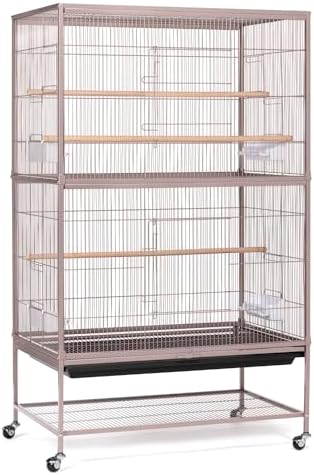
- Powder-coated steel construction in blush finish
- Designed for multiple parakeets, canaries or finches
- Featuring two large front doors and a bottom shelf for additional storage space, stand is on rolling casters and is easi…
You don’t need to spend a fortune to provide a good home. The Mcage offers solid quality and decent space at a wallet-friendly price.
Why We Love It:
- Good size: 18″ L x 14″ W x 36″ H (suitable for 1 parakeet)
- Includes rolling stand with wheels
- Two front doors
- Three wooden perches included
- Two stainless steel feeding cups
- 1/2 inch bar spacing
- Pull-out tray for cleaning
- Bottom storage shelf
- Affordable without sacrificing safety
- Multiple color options
Best For: Budget-conscious owners, single parakeet, starter cage, small spaces
Potential Drawbacks: Smaller than premium options, stand less sturdy than higher-end models
Price Range: $45-$70
4. Best for Multiple Birds: Yaheetech 69-inch Large Bird Cage
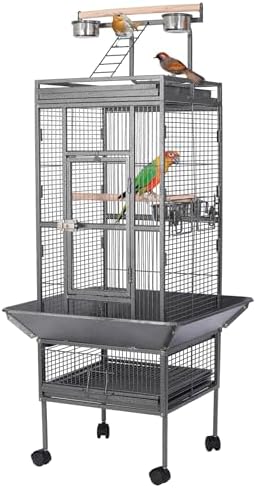
- 【SOLID AND DURABLE MATERIAL】 – Our bird cage is made of the highest-quality metal frame which has been tested to ensure …
- 【Wide Use】This bird cage with stand is the ideal size for Caciques, Conures, Jardine’s Parrot, Meyer’s Parrots, Pionus, …
- 【MULTIPLE FUNCTIONS】 – The design with flat-top gives you more free space to hang bird toys or put some potted plants to…
Planning to keep multiple parakeets or want maximum space? This extra-tall cage provides ample room for several birds to coexist comfortably.
Why We Love It:
- Extra spacious: 18″ L x 18″ W x 69″ H total height
- Perfect for 2-4 parakeets
- Four feeding doors at different levels
- Top play area with perches and ladder
- Rolling stand with wheels and storage
- Multiple perches included
- Easy-access large front door
- 1/2 inch bar spacing
- Pull-out tray and bottom grille
- Sturdy construction
- Great value for the size
Best For: Multiple parakeets, mixed small bird species, active birds who love climbing
Potential Drawbacks: Very tall (may be difficult to reach top), requires more floor space
Price Range: $90-$140
5. Best Tabletop Cage: Vision Bird Cage Model M01

- Wire bird cage suitable for budgies, canaries, finches, parrotlets and lineolated parakeets
- Debris guard helps keep waste inside cage and bird cage detaches from base for fast, easy cleaning
- Non-invasive, exterior access to seed and water cups reduces stress to birds
Not everyone has floor space for a standing cage. The Vision M01 is a high-quality tabletop option with innovative design features.
Why We Love It:
- Compact but adequate: 24.4″ L x 15″ W x 20.9″ H
- Unique contemporary design
- Deep debris guard prevents mess outside cage
- No exposed wire bottom (safer for feet)
- Multi-grip perches included (better for feet than wooden dowels)
- Easy to clean (all plastic components dishwasher safe)
- Food/water dishes accessible from outside
- Good ventilation
- Can sit on table, dresser, or purchase separate stand
- Modern attractive appearance
Best For: Small spaces, apartments, single parakeet, owners who want easy cleaning, modern aesthetic
Potential Drawbacks: Smaller flying space, higher price per square inch, may need to add more perches
Price Range: $60-$90
Understanding Bar Spacing: Critical Safety Information
This is extremely important: Wrong bar spacing can be deadly for small birds.
- Parakeets/Budgies: Maximum 1/2 inch (12mm) bar spacing
- Canaries/Finches: Maximum 3/8 inch (10mm) bar spacing
- Lovebirds: Maximum 1/2 inch (12mm) bar spacing
- Cockatiels: 1/2 to 3/4 inch (12-19mm) bar spacing
Why it matters: Smaller spacing prevents:
- Head entrapment (can cause death)
- Body squeezing through bars (escape or injury)
- Wing or leg injuries from getting stuck
Always verify bar spacing before purchasing. If the listing doesn’t specify, don’t buy it.
Horizontal vs. Vertical Bars
Birds naturally climb, and horizontal bars make this easier and more enjoyable.
Horizontal Bars:
- Allow natural climbing behavior
- Provide exercise
- Give birds more mobility options
- Better for active species like parakeets
Vertical Bars:
- Traditional dome cages often have these
- Less ideal but acceptable if cage is large
- Look for cages with mixed bar orientation
Best Choice: Cages with both horizontal and vertical bars offer maximum versatility.
Essential Cage Setup Tips
Once you choose your cage, set it up properly:
Perch Placement
- Include 2-4 perches at different heights
- Use natural wood branches (vary diameter for foot health)
- Place perches away from food/water (prevents contamination)
- Avoid placing directly above each other (prevents droppings on lower birds)
Food and Water
- Use stainless steel or ceramic dishes (avoid plastic)
- Place away from perches to prevent droppings
- Keep multiple water sources in large cages
- Clean daily
Toys and Enrichment
- Rotate 3-4 toys weekly to prevent boredom
- Include variety: bells, mirrors, shredding toys, swings
- Leave space for flying (don’t overcrowd)
- Secure toys properly (avoid choking hazards)
Cage Location
- Place at eye level (birds feel safer)
- Away from drafts, direct sunlight, kitchen fumes
- In a room where family spends time (birds are social)
- Against a wall (gives security)
Cleaning and Maintenance
Keep your bird healthy with proper cage hygiene:
Daily Tasks:
- Replace food and water
- Remove droppings from perches
- Spot-clean any mess
Weekly Tasks:
- Change cage liner/paper
- Wash bottom tray and grille
- Clean perches and toys
- Wipe down bars
Monthly Tasks:
- Deep clean entire cage with bird-safe disinfectant
- Replace worn perches or toys
- Check for rust or damage
- Clean underneath and around cage area
Pro Tip: Use newspaper or paper towels as cage liner (cheap, easy to replace, allows you to monitor droppings for health issues).
Common Cage Buying Mistakes
Avoid these frequent errors:
- Buying Too Small: “Minimum size” is truly minimum—bigger is better
- Ignoring Bar Spacing: Wrong spacing is dangerous regardless of other features
- Choosing Style Over Function: Pretty cages aren’t always bird-friendly
- Skimping on Quality: Cheap cages rust, break, or have toxic coatings
- Forgetting Future Needs: You might add more birds or need space for breeding
- Round Cages: These cause psychological distress in birds (avoid)
- Decorative Cages: Often too small and poorly designed for actual bird needs
Signs Your Cage Is Too Small
Watch for these indicators:
- Bird can’t fully extend wings
- Tail feathers constantly hit bars
- Limited flight movement
- Difficulty adding toys without overcrowding
- Bird appears stressed or exhibits stereotypic behaviors (pacing, head bobbing)
- Feather condition deteriorates
- Bird becomes aggressive or withdrawn
If you notice these signs, upgrade immediately. A larger cage can dramatically improve your bird’s quality of life.
Final Thoughts
Choosing the right cage is an investment in your parakeet’s health and happiness. My top recommendation is the Yaheetech 52-inch Wrought Iron Bird Cage for its excellent balance of space, features, and value. It’s spacious enough for 1-2 parakeets with room for toys and enrichment.
However, choose based on your specific situation:
- Multiple birds? Get the Yaheetech 69-inch for extra space
- Want premium quality? The Prevue Hendryx Flight Cage is worth the investment
- Limited budget? The Mcage offers good value
- Limited floor space? Vision M01 is a quality tabletop option
Remember: the cage is your bird’s home for most of their life. Investing in proper housing from the start prevents health issues, behavioral problems, and the expense of early replacement. Your parakeet deserves room to fly, play, and thrive!
What cage do you use for your parakeet? Share your setup in the comments!
Frequently Asked Questions
Q: Can I keep two parakeets in an 18″ x 18″ cage? A: While technically possible, it’s cramped. For two parakeets, aim for at least 24″ x 16″ x 24″ minimum, but larger is always better for their wellbeing.
Q: How often should I replace my bird cage? A: Quality cages last 10-15 years with proper maintenance. Replace if you notice rust, broken welds, or structural damage.
Q: Are powder-coated cages safe? A: Yes! Powder-coated steel is safe and durable. Avoid cages with zinc, lead, or easily chipping paint.
Q: Should I cover my parakeet’s cage at night? A: Most parakeets appreciate a cover for better sleep (12 hours of darkness). Use a breathable fabric and leave one side partially open for air circulation.
Q: Can I use a used cage? A: Yes, but inspect carefully for rust, damage, and thoroughly disinfect with bird-safe cleaner. Avoid if the previous bird had contagious diseases.
Q: Do parakeets need a cage with a top play area? A: Not essential but nice to have! Top play areas provide additional enrichment and out-of-cage time while keeping birds safe.
Affiliate Disclosure
Transparency Note: PawPicks is a participant in the Amazon Services LLC Associates Program, an affiliate advertising program designed to provide a means for sites to earn advertising fees by advertising and linking to Amazon.com.
When you purchase through links in this article, we may earn a small commission at no additional cost to you. This helps us continue creating comprehensive, free guides for bird owners like you.
We only recommend bird cages we genuinely believe are safe, spacious, and beneficial for parakeets and small birds. Our reviews are based on extensive research, customer feedback analysis, product specifications, safety standards, and understanding of avian needs. We never let affiliate relationships influence our honest opinions.
Your bird’s safety, health, and happiness are our top priorities. We’re committed to helping you provide the best possible home for your feathered friend.
Thank you for supporting PawPicks by using our links!